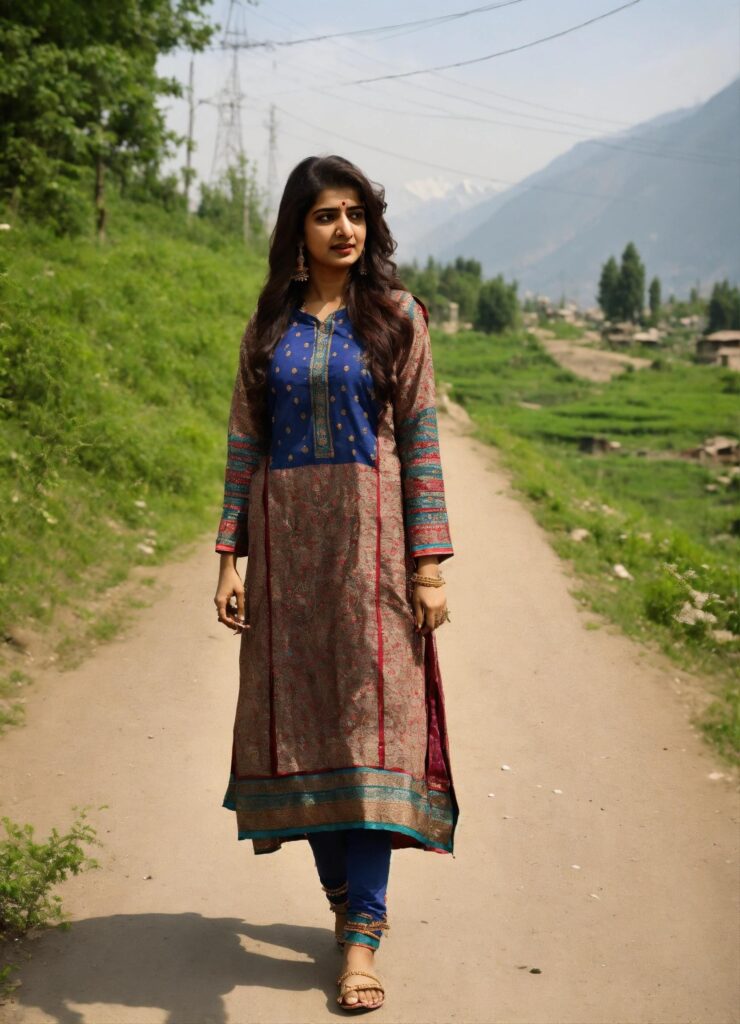
Indian kurtis, a beloved staple of women’s fashion, are much more than just garments; they are a rich tapestry of history, culture, and style. These versatile pieces have graced wardrobes for centuries and continue to be a symbol of elegance and tradition. In this blog post, we will explore the fascinating history of kurtis, the various styles and fabrics that make them unique, their cultural significance, and how to style them for any occasion.
A Glimpse into History
The kurti, also known as a kameez, has its roots deeply embedded in the Indian subcontinent’s history. Its origins can be traced back to ancient times, when traditional garments were primarily used for their functionality and modesty. Over the centuries, the kurti has evolved from simple tunics worn by men to a sophisticated and fashionable garment for women.
Historically, kurtis were made from hand-woven fabrics like cotton and silk, adorned with intricate embroidery and prints. They were favored for their comfort and adaptability, making them suitable for both daily wear and special occasions. The evolution of the kurti reflects the changing fashion trends and cultural influences of different eras, from the Mughal period’s opulence to the contemporary minimalism of modern fashion.
Popular Styles and Fabrics
Indian kurtis come in a myriad of styles and fabrics, each offering a unique aesthetic and feel. Here’s a look at some of the most popular styles and materials:
1. A-Line Kurtis
Description: The A-line kurti features a flattering silhouette that flares out from the waist, creating an elegant, A-shaped profile. This style is perfect for adding a touch of grace and is often seen in both casual and formal settings.
Fabric: Cotton, georgette, and chiffon.
Occasions: Ideal for day-to-day wear, casual outings, and semi-formal events.
2. Anarkali Kurtis
Description: Named after the legendary courtesan Anarkali, this style is characterized by its voluminous skirt and fitted bodice. The Anarkali kurti is known for its regal and dramatic flair, making it a popular choice for festive occasions and weddings.
Fabric: Silk, brocade, and velvet.
Occasions: Perfect for weddings, receptions, and grand celebrations.
3. Straight Cut Kurtis
Description: The straight cut kurti features a sleek, straight silhouette that falls straight down from the shoulders. It’s known for its simplicity and versatility, making it a wardrobe essential.
Fabric: Cotton, linen, and crepe.
Occasions: Suitable for office wear, casual outings, and everyday activities.
Popular Fabrics and Their Appeal
Indian kurtis are made from a variety of fabrics, each offering different textures and drapes. Here’s a closer look at some popular choices:
1. Cotton
Description: Cotton is a breathable, lightweight fabric that is perfect for everyday wear. Its softness and comfort make it a favorite for hot climates.
Styling Tip: Pair a cotton kurti with leggings or jeans for a casual look, or with a dupatta for a more polished appearance.
2. Silk
Description: Silk is known for its luxurious feel and glossy finish. It’s often used for more formal and festive kurtis.
Styling Tip: Complement a silk kurti with statement jewelry and a matching dupatta for an elegant ensemble.
3. Georgette
Description: Georgette is a semi-sheer, lightweight fabric with a flowing drape. It’s commonly used for kurtis that require a bit of flair and movement.
Styling Tip: Opt for a georgette kurti with intricate embroidery for special occasions and festive events.
Cultural Significance and Versatility
The kurti holds a special place in Indian culture and is often associated with various cultural and religious ceremonies. It represents a blend of tradition and modernity, reflecting the diverse and rich heritage of India. Kurtis are worn across different regions of India, each with its own unique style and embellishments, making them a versatile and inclusive garment.
Occasions for Wearing Kurtis
- Festivals and Celebrations: Indian festivals like Diwali, Eid, and Holi are perfect occasions to wear kurtis adorned with traditional prints and embroidery.
- Weddings: For weddings and receptions, opt for Anarkali or embellished kurtis that add a touch of grandeur and elegance.
- Everyday Wear: Straight cut and cotton kurtis are ideal for daily wear, providing both comfort and style.
Styling Tips for Every Occasion
- Casual Outings: Pair a cotton A-line kurti with leggings and a simple pair of sandals for a comfortable, chic look.
- Workwear: Choose a straight cut kurti in a neutral color and pair it with tailored trousers or a pencil skirt for a professional appearance.
- Festive Events: Go for an Anarkali or a silk kurti with intricate embroidery, and accessorize with traditional jewelry and a matching dupatta.
Visual Inspirations
Here are three styles of kurtis to inspire your wardrobe choices:
1. Elegant A-Line Kurti
An A-line kurti in a soft pastel shade, perfect for casual outings and daywear.
2. Regal Anarkali Kurti
An Anarkali kurti with rich embroidery and flowing fabric, ideal for festive occasions and weddings.
3. Chic Straight Cut Kurti
A straight cut kurti in a vibrant color, suitable for office wear and casual events.
Conclusion
Indian kurtis are more than just a garment; they are a celebration of culture, style, and tradition. From their historical roots to their modern-day versatility, kurtis continue to be a cherished part of women’s fashion. Whether you’re dressing up for a special occasion or looking for something comfortable for daily wear, there’s a kurti style to suit every need. Embrace the elegance and heritage of kurtis and make them a timeless addition to your wardrobe.